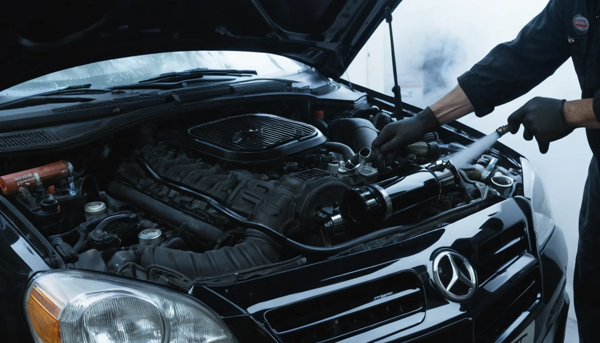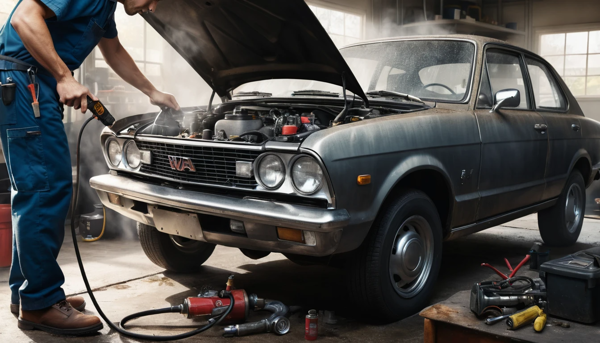
Signs of a failing water pump include overheating, leaks, and whining noises. Spot them early to avoid costly engine damage.
🚗 Signs of a Failing Water Pump – Don’t Ignore These Red Flags!
Ever been stuck on the side of the road with steam pouring out of your hood? 😱 If so, you might’ve met one of the most underrated villains in your car’s engine system—the water pump.
The water pump keeps your engine cool. If it fails, you could face overheating, blown head gaskets, or even complete engine failure. But, your water pump doesn’t just quit silently. It usually gives off warning signs before giving up entirely.
In this guide, you’ll learn:
- What your water pump actually does
- The most common signs it’s failing
- How to prevent serious engine damage
- What to do next if you spot a problem
Let’s get right into it before your radiator gets any hotter 🔥.
⛔ What Does the Water Pump Actually Do?
Before we dig into the signs of trouble, it helps to know what your water pump actually does.
Here’s the short version:
The water pump circulates coolant from your radiator through your engine and back again. This keeps the engine from overheating by absorbing and releasing heat.
If it fails? The coolant stops flowing. The engine starts heating up. And eventually, it’ll overheat and shut down. 🛑
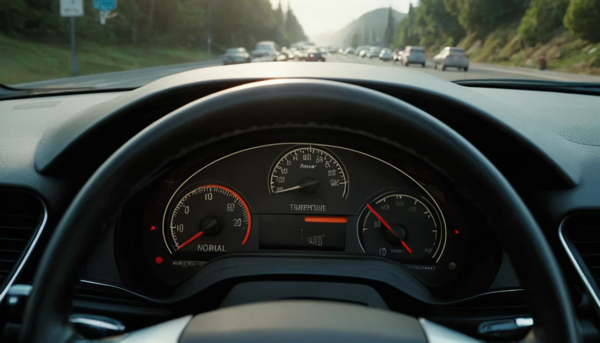
🌡️ Your Engine Is Overheating Repeatedly
Overheating is one of the clearest signs your water pump is on its last legs.
If you notice:
- Your temperature gauge constantly climbing
- Steam coming from under your hood
- The heater blowing cold air when it shouldn’t
Then your pump may not be circulating coolant properly.
Don’t wait until the temperature light comes on. By then, you could be one step away from real damage.
💧 You See Coolant Leaking Under Your Car
Coolant leaks are another dead giveaway. 🧪
Check for:
- Puddles of green, orange, or pink fluid under the front of your car
- Sweet-smelling liquid around the timing belt cover
- Low coolant levels in your reservoir
Leaking water pumps usually mean a worn-out gasket or a failed seal. It’s your car crying for help—listen to it!
Table: Coolant Leak Colors & What They Mean
| Coolant Color | Possible Vehicle Type | Indicates a Leak From |
|---|---|---|
| Green | Older domestic models | Water pump or radiator |
| Orange | GM models (Dex-Cool) | Water pump or intake manifold |
| Pink | Toyota & Lexus | Pump or reservoir connections |
🌀 You Hear Whining Or Grinding Noises
Noises under the hood? That’s not just the sound of an old engine—it could be the water pump.
Listen for:
- High-pitched whining
- Grinding when the engine starts
- Squealing that gets worse with acceleration
The water pump has a bearing inside that helps it spin. When that bearing wears out, it makes noise—and the pump may seize soon after.
Pro tip: Don’t confuse this with a serpentine belt squeal. A failing pump sounds rougher and louder.
💥 Steam Coming From Your Radiator Cap
If steam starts pouring out of your radiator cap or reservoir, stop the car immediately. 🚨
This usually means:
- The water pump isn’t pushing coolant fast enough
- Pressure is building up in the system
- The coolant is literally boiling
Steam = major overheating. And overheating = $$$ in repairs if you ignore it.
🛠️ The Water Pump Pulley Is Loose Or Wobbly
If you’re handy with tools, check the water pump pulley. Try moving it back and forth.
Feel any play? That’s a red flag.
A loose pulley means the internal bearing is failing. The belt may also start slipping, reducing coolant flow and increasing engine heat.
This issue usually comes with noise, vibration, or both.
Table: Water Pump Warning Signs & What They Usually Mean
| Symptom | Likely Cause | Urgency Level |
|---|---|---|
| Coolant leak | Worn gasket or cracked pump housing | ⚠️ High |
| Engine overheating | Failed circulation | 🔥 Emergency |
| Whining noise | Worn pump bearing | ⚠️ Moderate |
| Wobbling pulley | Loose or damaged bearing | ⚠️ High |
| Steam from radiator | Overheating due to coolant backup | 🔥 Emergency |
🧊 Your Heater Stops Working in Cold Weather
Notice your car blowing cold air even when the heat is cranked? 🥶
That could mean the pump isn’t circulating coolant to the heater core. No flow = no heat.
Especially in winter, this sign is a big clue that your pump isn’t doing its job.
⚙️ You Hear Rumbling When the Engine is Running
A deep, rumbling sound can mean that the impeller blades inside the pump have broken off or worn down. These blades are what push coolant through the system.
If they’re damaged, the pump is basically spinning but doing nothing.
It’s like a fan with no blades—useless.
🚘 You’ve Hit High Mileage Without Replacing It
Water pumps don’t last forever. If your car has more than 90,000 miles, and the pump’s never been replaced, it might be time—even if it’s not acting up yet.
Prevention is cheaper than repair. Every time. 💸
🔧 You See Rust or Corrosion on the Pump
Pop the hood and shine a flashlight on the pump. Do you see:
- Rust?
- Brown or white crusty buildup?
- Dried coolant on the outside?
Corrosion is a sign that the pump has slowly been leaking over time.
Result: Weakened seals, less pressure, and possible total failure.
📉 Reduced Coolant Pressure
A mechanic can test this for you during a routine inspection. If there’s less coolant pressure than there should be, it’s likely a pump issue.
Low pressure = slow flow = hot engine.
🛑 The Engine Light Comes On (But Nothing Seems Wrong)
Sometimes, your check engine light pops on for what seems like no reason.
But behind the scenes, your engine could be:
- Running hot
- Losing coolant
- Sensing abnormal pressure
Modern sensors pick this up before you notice anything wrong.
Table: When to Replace the Water Pump
| Mileage | Replace If… | Why It Matters |
|---|---|---|
| Under 60,000 miles | No symptoms? You’re probably safe | Stil within normal life expectancy |
| 60,000–90,000 | Symptoms? Replace ASAP | Approaching wear limit |
| Over 90,000 | No history of replacement? Replace soon | Avoid catastrophic failure |
🧰 What to Do If You Suspect Water Pump Failure
If you spot any of the above signs, here’s what to do:
- Stop driving if it’s overheating or leaking
- Check coolant levels (but only when the engine is cold!)
- Inspect for leaks, rust, or odd noises
- Get it to a mechanic ASAP
- Replace the pump if confirmed bad
Waiting could mean ruined gaskets, cracked heads, or even a seized engine. Don’t roll the dice 🎲.
🔚 Final Thoughts: Don’t Let a Failing Pump Wreck Your Ride
A bad water pump may seem like a small issue—but it can quickly lead to massive engine failure if ignored.
To sum up, watch for these key warning signs:
- Overheating and steam
- Coolant leaks
- Strange engine noises
- Loss of heat in the cabin
- High mileage with no replacement history
Catch it early. Fix it fast. Your engine—and your wallet—will thank you! 💵
❓FAQs
What are the signs of a bad water pump in a car?
Look for overheating, coolant leaks, whining noises, and loss of heat in the cabin.
How do I know if my water pump is leaking?
Check under the car for green or pink fluid. Also, look for crusty residue or wet spots on the pump.
Can I drive with a failing water pump?
It’s risky. A failing pump can lead to overheating, which may cause severe engine damage.
Why is my car overheating even with coolant?
If the water pump isn’t circulating coolant properly, the engine can overheat. This is true even with a full tank.
When should a car water pump be replaced?
Generally between 60,000 and 100,000 miles. Or sooner if you notice any symptoms of failure.
🔗 References
https://www.familyhandyman.com
https://www.autoblog.com
https://www.cars.com