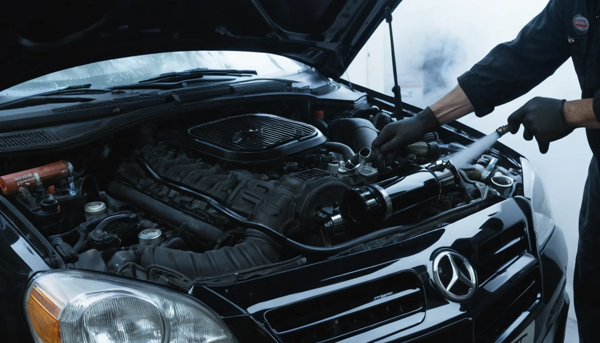
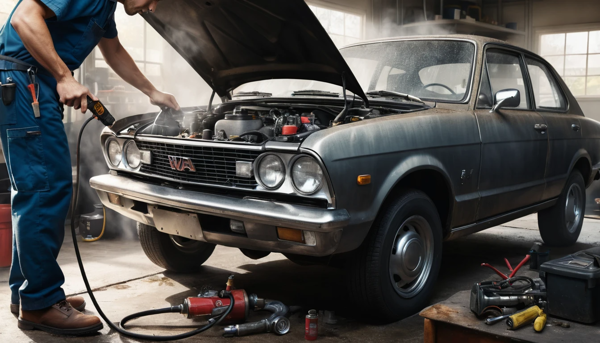
Symptoms of a bad car thermostat can ruin your engine fast. Learn the top signs, causes, and fixes before costly damage happens.
Symptoms of a Bad Car Thermostat – Catch These 🚗 Red Flags Early!
Ever felt your engine acting weird, but you just couldn’t figure out why? 😖
It might be your thermostat, and yes—it’s more important than you think.
Your car’s thermostat is key. It keeps your engine at the right temperature. If it fails, your car might run too hot or too cold. This can damage your engine badly.
But, you can spot problems early. Just know what to look for.
Let’s look at the symptoms of a bad car thermostat. This way, you can avoid expensive repairs and avoid being stuck on the side of the road.
🚨 What Does a Car Thermostat Actually Do?
Your car thermostat controls coolant flow. It makes sure your engine is not too hot or too cold.
Here’s how it works:
- When it’s cold, the thermostat closes to warm up the engine fast.
- When it’s warm enough, it opens. This lets coolant flow and prevents overheating.
If it fails, your engine’s temperature gets out of balance. This is when trouble starts. 🧊🔥
🔥 Top Warning Signs of a Bad Thermostat
Wondering if your car thermostat is bad? Look out for these critical symptoms:
🌡️ Engine Overheating Suddenly
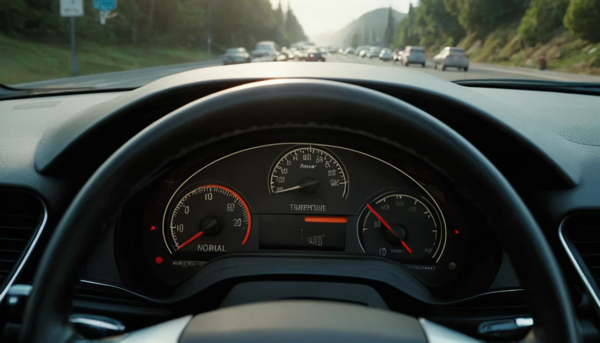
A stuck-closed thermostat stops coolant from reaching the radiator. Your engine overheats fast. The temperature needle spikes into the red.
Common signs include:
- Dashboard temperature gauge rising quickly
- Steam coming from the hood 😱
- Burning smell under the hood
- Warning lights turning on
Don’t ignore this. Overheating can warp your engine or blow the head gasket.
🥶 Engine Stays Too Cold
Running too cold is also a problem.
If the thermostat is stuck open, coolant flows too much. Your engine never warms up.
What you’ll notice:
- Heater blows cold air even when the car’s warm
- Temperature gauge stays on the low side
- Lower fuel efficiency
This can wear down your engine and increase emissions over time.
⛽ Poor Fuel Economy
When your engine doesn’t reach its ideal temp, it burns more fuel.
A bad thermostat makes the fuel-air mix stay rich. This hurts your gas mileage.
Fuel Waste Warning Signs:
- Frequent refills
- Strong fuel odor
- Engine idling roughly
- Black smoke from the exhaust
🛠️ Check Engine Light Turns On
Modern cars have sensors for temperature issues.
A bad thermostat often shows a Check Engine Light (CEL).
You might see codes like:
- P0128 (coolant temperature below threshold)
- P0117 or P0118 (coolant temp sensor malfunction)
🧑🔧 Tip: Get your codes read at an auto parts store—they often do it free!
💧 Coolant Leaks Around the Thermostat
A bad thermostat can cause pressure problems.
This can lead to leaks around the housing or gasket.
| Sign | What It Means |
|---|---|
| Puddles under your car | Coolant escaping the system 🫠 |
| White crust near thermostat | Dried antifreeze residue |
| Low coolant warning | System is losing fluid |
If you see coolant spots in your driveway—don’t just top it off. Find the cause.
🔄 Fluctuating Engine Temperature
Your gauge shouldn’t bounce up and down.
A good thermostat keeps temps steady.
Erratic temp behavior may mean:
- Thermostat is sticking open/closed randomly
- There’s air trapped in the cooling system
- Sensor miscommunication
Inconsistent temps = trouble brewing.
💨 Heater Not Working Properly
No heat in winter? That could be your thermostat acting up.
If the coolant isn’t reaching operating temp:
- Your cabin air will never warm up
- Defrosters stay weak
- Windshield may not clear properly
It’s not just comfort—it’s safety. 🧊
🔁 Slow Engine Warm-Up
Your car should heat up in about 5–10 minutes.
If it takes longer, your thermostat may be stuck open, letting coolant flow too soon.
This slows warm-up time and may:
- Increase wear during cold starts
- Leave your oil too thick
- Cause condensation buildup in the exhaust
🔎 How to Confirm a Bad Thermostat
Not sure if it’s the thermostat? Try these DIY checks:
✅ Quick Test Steps:
- Start with a cold engine.
- Start the car and watch the temp gauge.
- Feel the radiator hose.
- If the hose warms before the engine does—it’s stuck open.
- If it stays cold and the engine overheats—it’s stuck closed.
🧊 What Causes a Thermostat to Go Bad?
Thermostats don’t last forever. They can fail for a few reasons:
| Cause | Description |
|---|---|
| Age | Most fail after 5–10 years |
| Contaminated coolant | Rust, debris, or buildup clogs it |
| Overheating events | Damage from extreme temps |
| Poor-quality part | Cheap thermostats fail sooner |
Using good coolant and changing it often helps your thermostat last longer. 🧪
🧰 Can You Drive with a Bad Thermostat?
Short answer? No, you shouldn’t.
A bad thermostat might seem okay at first. But running it can cause:
- Engine overheating
- Expensive repairs
- Stranded on the side of the road
🌟 A $30 thermostat replacement is better than a $3000 engine rebuild.
🧩 Replacing a Thermostat: DIY or Mechanic?
If you’re good with tools, you can do it yourself.
But it depends on your car’s design.
DIY Pros:
- Save money 💰
- Learn about your car
- Replace gasket & flush coolant together
DIY Cons:
- Tricky access in some models
- Coolant can spill everywhere
- Risk of air pockets if not burped right
If you’re unsure—let a trusted mechanic handle it.
💸 Cost to Replace a Bad Thermostat
Worried about the price? Here’s a general breakdown:
| Service Type | Estimated Cost |
|---|---|
| DIY Replacement | $20–$50 (part only) |
| Mechanic (labor + part) | $150–$300 |
| Full Coolant Flush | $100–$150 |
Prices vary by make/model and local labor rates.
🧼 Preventing Thermostat Problems
You can’t avoid wear, but you can delay it.
🚘 Pro Tips:
- Flush your coolant every 2–3 years
- Use the right coolant type (check your owner’s manual)
- Watch for overheating early
- Don’t ignore the check engine light
Regular maintenance = fewer surprises on the road.
🧠 Summary: Catch These Signs Before It’s Too Late
Let’s wrap it up.
A bad car thermostat might seem minor, but the damage it causes? Major.
Here’s what to remember:
- Overheating, poor fuel economy, or weird temp changes = bad sign
- Thermostat issues affect engine health AND your comfort
- It’s cheap to fix, but expensive to ignore
- Routine checks and coolant flushes extend life
- If in doubt—get it checked out 🔧
Staying alert to these signs can save your engine, your wallet, and your sanity. 🙌
🙋♂️ FAQs
What are the first signs of a bad car thermostat?
Overheating, fluctuating temperature, or a cold heater are usually the first signs.
Why is my engine running cold all the time?
Your thermostat may be stuck open, letting coolant flow constantly.
Can a bad thermostat cause poor gas mileage?
Yes, it prevents the engine from reaching the right temperature, burning more fuel.
Is it safe to drive with a thermostat problem?
No. A faulty thermostat can quickly damage your engine or cause a breakdown.
How much does it cost to fix a car thermostat?
It typically costs $150–$300 at a repair shop, but DIY is cheaper.
🔗 References
https://www.autoblog.com/
https://www.familyhandyman.com/
https://www.enginebuildermag.com/