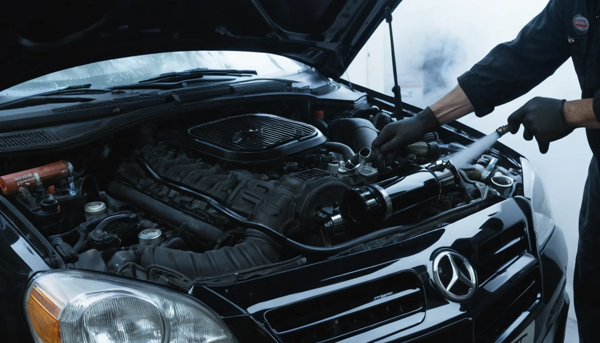
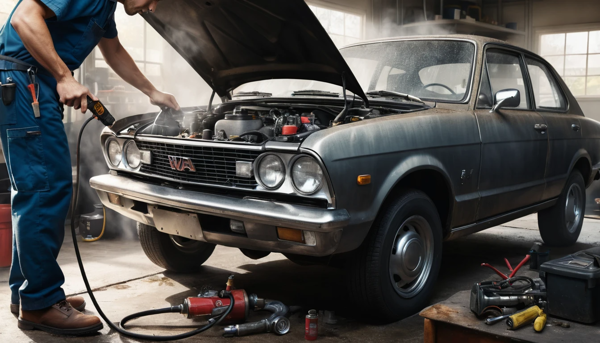
How to do a coolant flush quickly and safely at home. Discover the easiest steps to protect your engine and save money.
How To Do A Coolant Flush – Easy DIY Guide With Pro Tips
Is your engine overheating or running hotter than usual? 🧐
That could mean your coolant is old or dirty. But don’t worry, you don’t need to be a mechanic to fix this. Learning how to do a coolant flush is easy and can save you hundreds in repair bills.
We’ll show you the exact steps, tools, and tips to fix your car’s cooling system. This guide is for everyone, whether you’re new to DIY or have done a few oil changes.
🚗 What Is A Coolant Flush?
A coolant flush, also called a radiator flush, is when you drain old coolant and put in new fluid. It helps:
- Remove rust and sediment 🛠️
- Keep your engine cool
- Extend the life of your radiator and water pump
- Improve overall engine performance
Unlike just adding more fluid, a full flush clears the system of grime and gunk that could cause overheating.
🔍 Why A Coolant Flush Is So Important
Your coolant does more than you think. It:
- Regulates engine temperature
- Prevents freezing in cold weather
- Stops corrosion inside the radiator
Over time, coolant breaks down and loses its protection. If it’s brown, sludgy, or smells burnt, it’s time for a flush.
🛠️ Tools & Supplies You’ll Need
Before you start, get these items:
| Tool / Supply | Why You Need It |
|---|---|
| Funnel | To pour new coolant easily |
| Drain pan | To catch old coolant |
| Pliers or wrench | To loosen the drain plug |
| Garden hose | For flushing the system |
| Coolant (recommended) | Must match your vehicle type |
| Gloves & safety glasses | For protection |
👉 Double-check your owner’s manual for the exact coolant type and capacity.
📆 When Should You Flush Coolant?
Manufacturers say to flush coolant:
- Every 30,000 to 60,000 miles, or
- Every 2–5 years, whichever comes first
Signs you need a flush ASAP:
- Engine overheating
- Strange smells from the engine
- Visible sludge or particles in the coolant
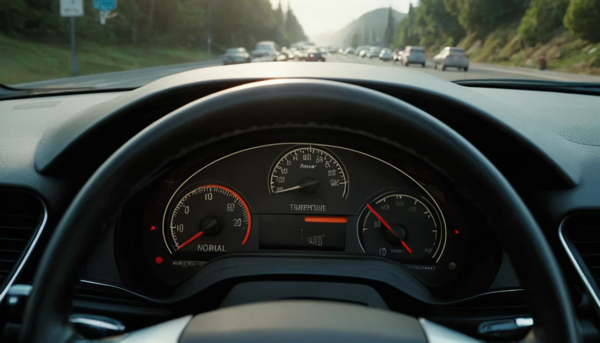
- Dashboard temperature gauge rising faster than normal
🧼 Step 1: Let The Engine Cool Down
Safety first!
Never do a coolant flush on a hot engine. Wait at least 30–60 minutes after turning the engine off. Hot coolant can cause serious burns. 🧯
🏁 Step 2: Lift The Front Of The Car
Use ramps or a jack to raise the front of your vehicle. This gives you easy access to the radiator drain plug.
Make sure to:
- Engage the parking brake
- Use wheel chocks
- Keep your car level and secure
🛢️ Step 3: Drain The Old Coolant
Here’s how to get rid of the old, gunky fluid:
- Place a drain pan under the radiator.
- Use pliers to open the drain valve (petcock).
- Allow all fluid to drain completely.
- Close the valve once done.
⚠️ Never pour coolant down the drain—it’s toxic to people and pets. Dispose of it properly.
💦 Step 4: Flush With Water
Now let’s give the system a good rinse:
| Step | What To Do |
|---|---|
| 1 | Insert a hose into the radiator |
| 2 | Run clean water until it runs clear |
| 3 | Start the engine (cap off) briefly |
| 4 | Let it run for 5–10 minutes |
| 5 | Turn off and drain again |
You may need to repeat this step 2–3 times if the fluid is very dirty.
🧊 Step 5: Add New Coolant
Once it’s clean and empty, it’s time to refill:
- Mix coolant with water if needed (usually 50/50)
- Use a funnel to slowly fill the radiator
- Fill the reservoir tank to the “max” line
🌟 Tip: Use pre-mixed coolant to skip the measuring!
🚙 Step 6: Bleed The Cooling System
This step helps remove air bubbles, which can cause overheating.
Here’s how:
- Start the engine with the radiator cap off
- Let it run until it reaches operating temperature
- Watch for bubbles escaping from the radiator
- Add more coolant as needed until bubbles stop
Keep an eye on the temperature gauge. If it rises too high, turn off the engine immediately.
🧽 Step 7: Clean Up & Recheck
After the flush:
- Reinstall the radiator cap
- Wipe any spills (coolant is slippery)
- Lower the car from the jack or ramps
- Drive for 10–15 minutes
- Recheck coolant level once engine cools
✅ Top off if necessary. Keep extra coolant in your trunk just in case!
🚨 What Not To Do During A Coolant Flush
Mistakes to avoid:
- Don’t skip letting the engine cool
- Don’t use the wrong coolant type
- Don’t forget to bleed the system
- Don’t ignore a leak or weird smell afterward
- Don’t leave coolant puddles—it’s harmful to pets 🐾
📊 Coolant Flush Cost: DIY vs Mechanic
| Option | Cost Estimate | What You Get |
|---|---|---|
| DIY | $20–$50 | Save money, learn your vehicle |
| Mechanic Shop | $100–$200 | Fast, professional, stress-free |
Doing it yourself can be fun and empowering—but if you’re uncomfortable, go pro. 👍
🌡️ How Coolant Affects Engine Health
Coolant doesn’t just keep your engine cool. It also:
- Prevents metal corrosion
- Protects gaskets and seals
- Improves fuel efficiency
- Extends engine life
Neglecting a flush could mean head gasket issues, warped cylinders, or total engine failure 😱
🧑🔧 Should You Use Coolant Flush Additives?
Some people swear by chemical flush additives. These:
- Help break up deposits
- Clean narrow coolant channels
- Are poured in before flushing
🧪 Use with caution and read instructions. They’re optional but can be helpful in older or high-mileage cars.
🔧 Can You Reuse Coolant?
Short answer: No.
Used coolant loses its ability to:
- Prevent rust
- Cool efficiently
- Balance pH levels
Once it’s dirty or has particles floating around, it’s time for it to go.
📝 How Often Should You Check Coolant?
Even after a flush, don’t ignore your coolant.
Check levels every month and:
- Look for low fluid
- Watch for any color changes
- Check for leaks under your car
Staying ahead of issues can prevent breakdowns—especialy in summer or winter. ❄️🔥
🌎 Eco-Friendly Disposal Tips
Old coolant is toxic. Here’s how to get rid of it properly:
- Use a seal-tight container
- Drop it off at an auto parts store or mechanic
- Never pour into street drains or soil
♻️ Most cities have free hazardous waste programs. Help keep your neighborhood safe.
✅ Conclusion: Take Charge Of Your Car’s Cooling System
Doing your own coolant flush might sound intimidating, but it’s honestly one of the most satisfying car maintenance tasks. 💪
You save money, learn more about your vehicle, and boost your confidence as a car owner.
Now that you know how to do a coolant flush:
- Keep up with regular checks
- Stick to your car’s recommended schedule
- And never ignore small warning signs 🛑
Your engine will thank you—with smoother rides and a longer life! 🚘✨
❓FAQs
How do I know if my coolant needs to be changed?
Look for dark, rusty fluid, weird smells, or overheating signs.
Can I flush coolant without removing the thermostat?
Yes, but it may be less effective. Removing it improves flow.
What happens if you don’t bleed the cooling system?
Air pockets can cause engine overheating or false temp readings.
Is it okay to mix different coolant brands?
It’s best to avoid it. Stick to one type for safety and performance.
Do I need to flush coolant if I just add more?
Yes—topping off isn’t the same as a full flush. It won’t remove debris or sludge.
📚 References
https://www.familyhandyman.com
https://www.autozone.com
https://www.popularmechanics.com