

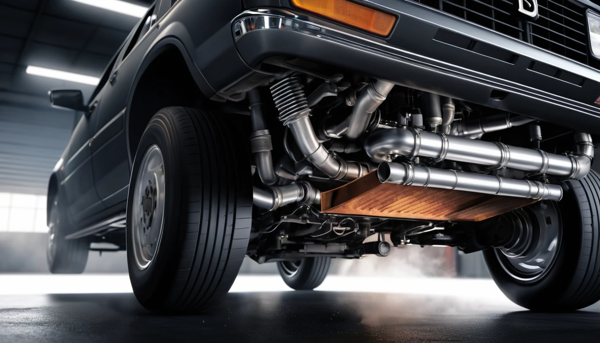
What Is a Diesel Particulate Filter explained—simple, clear, and must-know facts for drivers and car owners.
What Is a Diesel Particulate Filter? 🚗💨
Ever wondered why your diesel car starts acting strange when you ignore those warning lights? Or why mechanics always mention the “DPF” when you visit the shop? You’re not alone. Most drivers hear the term Diesel Particulate Filter (DPF) and immediately think: “Sounds complicated and expensive!”
But here’s the thing—understanding your DPF could actually save you thousands in repairs and improve your fuel economy. Let’s break it down in plain English.
🔧 The Diesel Particulate Filter—In Simple Words
A Diesel Particulate Filter (DPF) is a part in diesel engines’ exhaust systems. It traps harmful soot particles from exhaust gases. This prevents them from polluting the air.
👉 In other words, the DPF helps your vehicle meet emission standards and keeps our air cleaner.
Here’s what it does:
- Captures soot from exhaust
- Stores it in a filter
- Burns it off in a process called regeneration
Without a working DPF, your car could fail emissions tests, use more fuel, and even shut down to protect the engine.
🔥 Why Soot Is a Big Problem
Diesel engines produce tiny carbon particles—also called soot or particulate matter. They’re:
- Invisible to the eye
- Harmful to lungs
- Linked to respiratory diseases 😷
The DPF acts like a sponge, soaking up this dirty residue before it escapes into the environment.
⚙️ How the DPF Works Inside Your Car
Let’s break it down into three basic steps:
- Capture – Exhaust gases pass through the DPF. Soot gets trapped inside.
- Store – The filter holds onto the soot until it’s full.
- Regenerate – Heat burns off the soot and turns it into a less harmful gas.
🔄 What Is DPF Regeneration?
When your DPF fills up, it needs to clean itself. This process is called regeneration. It uses heat to burn off soot and clean the filter.
There are three types of regeneration:
| Type of Regeneration | How It Happens | When It Happens |
|---|---|---|
| Passive | Naturally while driving | Long, steady highway trips |
| Active | ECU triggers fuel injection | Short trips or city driving |
| Forced | Done by a mechanic | When filter is heavily clogged |
🚨 Skipping regeneration can lead to clogging, warning lights, and engine shutdown.
🚫 What Happens If Your DPF Gets Blocked?
A blocked DPF can cause major headaches. Here’s what you might notice:
- Warning light on dashboard
- Loss of power or sluggish acceleration
- Increased fuel consumption
- Strong diesel smell
- Engine going into limp mode
Ignoring the signs can lead to:
- Expensive repairs 💸
- Complete engine failure
- Failed emissions tests
🧼 How to Clean a Diesel Particulate Filter
Cleaning the DPF is essential to its longevity. You’ve got three main options:
| Cleaning Method | Cost | Pros | Cons |
|---|---|---|---|
| DIY Additives | $10–$50 | Cheap & easy | Not always effective |
| On-Car Regeneration | $100–$200 | Done without removing filter | Might not clean fully |
| Off-Car Cleaning | $300–$500 | Deep clean | Requires filter removal |
Tip: Use quality diesel fuel to reduce soot buildup. ⛽
🚙 Best Driving Habits to Keep Your DPF Healthy
Want to avoid issues? Adopt these habits:
- Take your car on highway drives weekly
- Don’t ignore DPF warning lights
- Use low-ash engine oil
- Keep your engine well-maintained
Short, stop-and-go trips = clogged filter risk! 😫
🧠 Common Myths About DPFs
Let’s bust some popular myths:
- ❌ “Removing the DPF will boost power.”
Actually, it’s illegal and could fail emissions tests. - ❌ “City driving doesn’t affect my DPF.”
It absolutely does—you need long drives for proper regeneration. - ❌ “Once it’s blocked, you have to replace it.”
Nope! Many DPFs can be professionally cleaned.
💬 Real Talk: What Drivers Say About DPF Issues
“My car went into limp mode on vacation—$600 later, it was a clogged DPF.”
“I didn’t even know what a DPF was until that light came on. Now I take the freeway once a week.”
DPF problems don’t discriminate—they catch every diesel driver eventually, even those who only drive in town.
🧰 Signs You Need a Mechanic’s Help
Here’s when you should stop DIY and call a pro:
- The DPF warning light stays on even after long drives
- Strange rattling sounds from the exhaust
- Excessive smoke from the tailpipe
- Strong smell of fuel or burning
Don’t risk damaging the engine. Catch it early. 🧯
✅ DPF Maintenance Checklist
Here’s how to stay on top of your DPF game:
Weekly:
- Take a 20-minute highway drive
Monthly:
- Check fuel economy and performance
Every Oil Change:
- Use DPF-safe, low-ash oil
Annually:
- Consider a professional inspection or cleaning
🛠️ Can You Remove the DPF System?
Technically? Yes. Legally? Big no.
Removing your DPF is illegal in the U.S. under EPA rules. It can result in:
- Hefty fines 💰
- Failed inspections
- Denied warranty claims
Not worth the risk. Stick to regular care instead.
📈 How a Healthy DPF Benefits You
Here’s what you gain with proper DPF care:
- Better fuel economy
- Lower emissions
- Smooth engine performance
- Fewer repair costs
- Longer engine life
It’s a small filter with big impact on your vehicle’s health.
💸 How Much Does a New DPF Cost?
A full replacement isn’t cheap.
| Vehicle Type | Approx. Cost | Labor Time |
|---|---|---|
| Passenger Car | $1,000–$2,500 | 2–4 hours |
| Pickup Truck | $2,000–$4,000 | 3–6 hours |
| Commercial Diesel | $4,000+ | 5+ hours |
This is why cleaning is always cheaper than replacing. Don’t wait until it’s too late.
🧪 Are There Alternatives to Diesel Vehicles?
If you’re fed up with DPF hassles, consider:
- Gasoline engines (no DPF required)
- Hybrids (fuel-efficient with fewer emissions)
- EVs (no emissions, no DPFs, minimal maintenance)
The future is moving toward cleaner tech—DPFs are just a step in that direction.
🔚 Conclusion: What You Really Need to Know
A diesel particulate filter is your car’s first line of defense against pollution. It catches harmful soot. This keeps your engine running well and helps you pass emissions tests.
💡 Don’t ignore the warning signs. Keep your DPF clean, your drives long, and your engine happy.
A little care goes a long way. 🚘✨
❓ FAQs
What does a diesel particulate filter actually do?
It captures and stores soot from diesel exhaust before it enters the atmosphere.
How do I know if my DPF is clogged?
You’ll notice warning lights, loss of power, poor fuel economy, or a strong diesel smell.
Can I drive with a blocked DPF?
Only for a short time. Long-term driving risks engine damage or shutdown.
How do I clean my DPF at home?
You can use fuel additives and drive at high speeds, but full cleaning may need a mechanic.
What causes a DPF to fail early?
Short trips, poor maintenance, bad fuel, and ignoring warning signs are common causes.
🔗 References
https://www.epa.gov/regulations-emissions-vehicles-and-engines
https://www.autoexpress.co.uk/car-news/92883/what-diesel-particulate-filter-dpf
https://www.cleantechnica.com/2023/03/what-is-a-dpf-and-how-to-maintain-it/


Leave a Reply