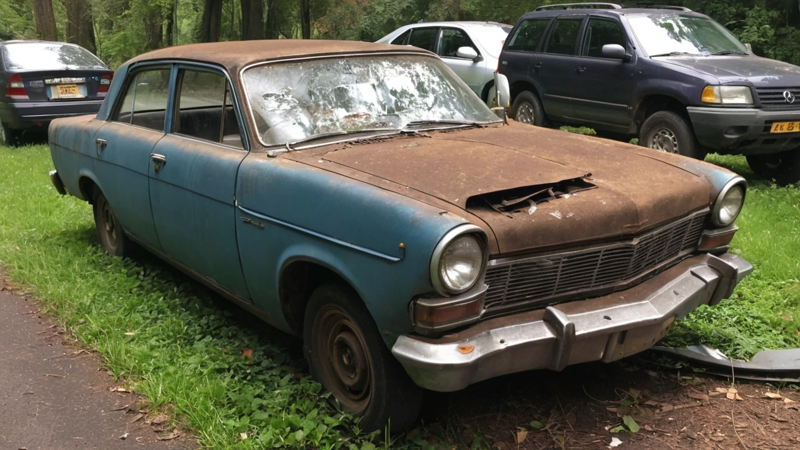
Is it worth fixing my old car? Learn how to compare repair costs, reliability, and replacement expenses to make the best decision.
Is it worth fixing your old car? In many cases, yes. If repair costs are lower than replacing the vehicle and the car remains reliable, fixing it can save money. However, repeated breakdowns, major mechanical failures, and high maintenance expenses may indicate it’s time to replace your old car.
Is It Worth Fixing My Old Car?
Have you ever looked at a repair estimate and wondered if your old car is secretly draining your wallet while pretending to save you money?
The truth is that there is no one-size-fits-all answer. Sometimes repairing an aging vehicle is the smartest financial move you can make. Other times, continuing to pour money into it is like filling a bucket with a hole in the bottom. The key is understanding the numbers, reliability, safety, and your future transportation needs.
If your car still meets your daily needs and repair costs remain reasonable, fixing it is often worth it. But if major components are failing regularly, replacing the vehicle may be the better long-term investment.
🚗 Why This Question Matters More Than Ever
Many drivers face rising vehicle prices and higher interest rates. Buying a replacement vehicle has become significantly more expensive than it was just a few years ago. As a result, many people are holding onto their cars longer.
At the same time, repair costs have increased due to labor shortages and expensive vehicle parts. This creates a difficult decision for car owners. Spending money on repairs can feel risky, but taking on a large car payment may be even more stressful.
Understanding the true cost of ownership helps you make a confident choice. Looking beyond a single repair bill often reveals the smartest financial path.
💰 Compare Repair Costs To Replacement Costs
The first step is simple. Compare the cost of repairing your current vehicle against the total cost of replacing it.
Many people focus only on the repair bill. However, a replacement vehicle comes with expenses such as taxes, registration fees, insurance increases, and monthly payments.
| Cost Factor | Repair Current Car | Buy Another Car |
| Upfront Cost | Usually Lower | Usually Higher |
| Insurance | Often Lower | Often Higher |
| Registration | Existing Cost | New Fees |
| Monthly Payments | None or Minimal | Often Significant |
| Depreciation | Low | High |
A $2,000 repair may feel expensive. But replacing your vehicle with a newer model could cost tens of thousands of dollars over time. Looking at the bigger financial picture is essential.
🔧 The 50% Rule Many Experts Use
A common guideline is the 50% rule. If the repair cost exceeds 50% of your car’s current market value, replacement may be worth considering.
For example, imagine your vehicle is worth $4,000. A repair estimate of $2,500 should prompt a closer evaluation. The repair doesn’t automatically mean replacement, but it deserves careful analysis.
This rule works best as a starting point. Other factors like reliability and future maintenance costs should also influence your decision.
📉 Consider The Current Value Of Your Vehicle
Knowing your car’s market value provides valuable context. An expensive repair on a low-value vehicle may not make financial sense.
However, don’t focus solely on resale value. A car worth only a few thousand dollars may still provide years of dependable transportation. The value you receive from continued use can exceed its market price.
Think about utility, not just resale value. A reliable older vehicle often delivers excellent value despite having a low book value.
🛠️ Identify Whether The Repair Is Major Or Minor
Not all repairs are equal. Some repairs are routine maintenance items that every vehicle eventually needs.
Examples of common repairs include:
- Brake replacement
- Battery replacement
- Alternator replacement
- Tires
- Suspension components
These repairs often make sense because they extend the life of the vehicle. Major failures such as engine replacements or transmission rebuilds require a more careful cost-benefit analysis.
Understanding the nature of the repair helps prevent emotional decision-making.
⚙️ Engine And Transmission Repairs Need Special Attention
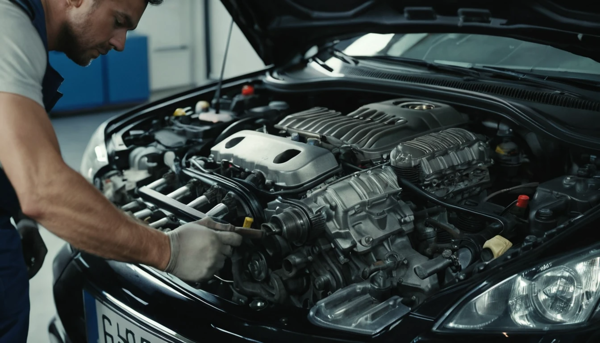
Engine and transmission issues are often the most expensive repairs a vehicle owner faces. These components represent the heart of the vehicle.
A replacement engine or rebuilt transmission can cost several thousand dollars. In some situations, the repair cost may approach the vehicle’s market value.
Still, these repairs can be worthwhile if the rest of the vehicle is in excellent condition. A dependable vehicle with a newly repaired powertrain may provide many additional years of service.
Before making a decision, evaluate the entire vehicle rather than focusing on one repair.
📊 Calculate Your Annual Repair Expenses
Tracking yearly repair costs provides important insight. One expensive repair doesn’t necessarily mean the vehicle is failing.
Instead, look at repair expenses over the last two to three years. This creates a clearer picture of ownership costs.
| Annual Repair Cost | Typical Recommendation |
| Under $500 | Usually Keep |
| $500–$1,500 | Evaluate Carefully |
| $1,500–$3,000 | Compare Alternatives |
| Over $3,000 | Consider Replacement |
If annual repair expenses remain lower than annual replacement costs, keeping the vehicle may still be the better financial decision.
🚘 Reliability Should Influence Your Choice
Reliability affects more than your wallet. Frequent breakdowns create inconvenience, missed appointments, and unexpected stress.
An older car that starts every morning may still be extremely valuable. Dependability often outweighs cosmetic imperfections or age-related wear.
Ask yourself whether the vehicle consistently performs its intended job. If the answer is yes, repairs may be worthwhile.
Consistent reliability is one of the strongest arguments for keeping an older vehicle.
🛡️ Don’t Ignore Safety Features
Safety should never be overlooked. Vehicle technology has improved significantly over the years.
Modern vehicles often include:
- Automatic emergency braking
- Blind-spot monitoring
- Lane departure warnings
- Advanced airbags
- Rearview cameras
If your older vehicle lacks critical safety features, replacing it may provide benefits beyond financial savings. Protecting yourself and your family should remain a top priority.
Balancing safety improvements against repair expenses creates a more complete decision-making process.
📅 Age Alone Doesn’t Determine Value
Many drivers assume a vehicle becomes worthless after reaching a certain age. That’s not necessarily true.
Modern vehicles frequently exceed 200,000 miles with proper maintenance. Some well-maintained cars remain dependable for decades.
What matters most is condition rather than age. A fifteen-year-old vehicle with strong maintenance records may outperform a newer vehicle that has been neglected.
Focus on actual performance rather than the number on the calendar.
🔍 Review Your Maintenance History
Maintenance records tell a story about your vehicle’s future. A car with regular oil changes, inspections, and preventive maintenance often remains reliable longer.
If you’ve consistently cared for the vehicle, you already know its history. That knowledge has value. Buying another used vehicle introduces uncertainty.
Many drivers underestimate the advantage of owning a car whose strengths and weaknesses they already understand.
Good maintenance history often supports keeping and repairing an older vehicle.
💵 Rising New Car Prices Change The Equation
Vehicle prices have increased dramatically. New cars now require larger monthly payments than many buyers expect.
This changes the repair-versus-replace calculation. A repair bill that once seemed expensive may actually represent significant savings compared to a new loan.
| Expense Category | Older Car | Newer Vehicle |
| Monthly Payment | Usually None | Often High |
| Depreciation | Minimal | Significant |
| Insurance Cost | Lower | Higher |
| Repair Frequency | Higher | Lower |
For many households, avoiding a large monthly payment provides valuable financial flexibility.
🤔 Ask Yourself These Key Questions
Sometimes the best answer comes from asking the right questions.
Consider the following:
- Is the vehicle generally reliable?
- Are repairs becoming more frequent?
- Can I comfortably afford a replacement?
- Does the vehicle meet my needs?
- Is safety becoming a concern?
These questions help shift the focus away from emotions and toward practical decision-making.
A clear assessment often reveals the most logical choice.
🚦 Signs It’s Probably Worth Fixing
Certain situations strongly support repairing your current vehicle.
You may want to keep your car if:
- Repairs are occasional
- Maintenance history is strong
- No major rust issues exist
- Insurance costs are low
- Replacement costs are much higher
In these scenarios, investing in repairs often produces the greatest financial benefit. Many older vehicles continue delivering dependable service for years.
A single repair bill should not automatically trigger replacement.
❌ Signs It May Be Time To Replace It
Some warning signs suggest replacement deserves serious consideration.
These include:
- Frequent breakdowns
- Major engine failure
- Severe transmission problems
- Extensive rust damage
- Growing safety concerns
When multiple expensive repairs appear close together, costs can quickly exceed the benefits of ownership.
At that point, replacing the vehicle may reduce stress and improve reliability.
📈 Think About Your Future Driving Needs
Your transportation needs may have changed since you bought the vehicle. A growing family, longer commute, or new job can alter what you need from a car.
An older vehicle that once worked perfectly may no longer fit your lifestyle. In those cases, replacement may provide benefits beyond reliability.
Consider fuel economy, cargo space, technology, and comfort. These factors influence overall satisfaction with your vehicle.
Choosing based on future needs rather than past habits leads to better long-term decisions.
😊 The Emotional Side Of Keeping An Old Car
Cars often hold memories. Some people keep vehicles because they represent important moments in life.
While emotions matter, financial realities should remain part of the decision. Sentimental value can complement logical analysis but should not replace it.
That said, there is nothing wrong with keeping a vehicle you genuinely enjoy driving. If the costs remain reasonable, that enjoyment has value too.
The best decisions often balance both practical and personal considerations.
🎯 Making The Final Decision
The question isn’t simply whether your car is old. The real question is whether it still provides dependable transportation at a reasonable cost.
Compare repair expenses, replacement costs, reliability, safety, and future needs. Looking at all these factors creates a clearer picture.
In many situations, repairing an older vehicle remains the most cost-effective choice. In others, replacing it prevents larger expenses and ongoing frustration.
The smartest decision is the one that aligns with both your budget and your transportation needs.
✅ Conclusion
So, is it worth fixing your old car? Often, yes. If repair costs are manageable, the vehicle remains reliable, and replacement expenses are significantly higher, repairing your car can save thousands of dollars. However, repeated breakdowns, major mechanical failures, safety concerns, and escalating maintenance costs may indicate it’s time to move on.
The best approach is to compare total ownership costs instead of focusing on one repair bill. A well-maintained older vehicle can still provide excellent value for years. By evaluating reliability, safety, and long-term expenses, you can confidently choose whether to repair or replace your car.
FAQs
Is It Worth Fixing A 15-Year-Old Car?
Yes, it can be worth fixing a 15-year-old car if it remains reliable and repair costs are reasonable. Age alone does not determine value. Condition and maintenance history matter more.
Should I Fix My Car Or Buy A New One?
Compare repair costs with replacement expenses. If repairs are significantly cheaper and reliability remains good, fixing the car often makes financial sense. Consider safety and future needs as well.
How Much Is Too Much To Spend On Car Repairs?
Many drivers use the 50% rule. If repairs exceed half the vehicle’s value, replacement may deserve consideration. However, overall reliability should also factor into the decision.
Is It Cheaper To Repair An Old Car?
In many cases, yes. Repairing an older car is often less expensive than taking on a new car payment. The total cost comparison usually provides the best answer.
When Should I Stop Repairing My Old Car?
Consider stopping repairs when breakdowns become frequent, safety concerns increase, or repair costs continue rising. Multiple major repairs within a short period are often a warning sign. Evaluating total ownership costs can help guide the decision.