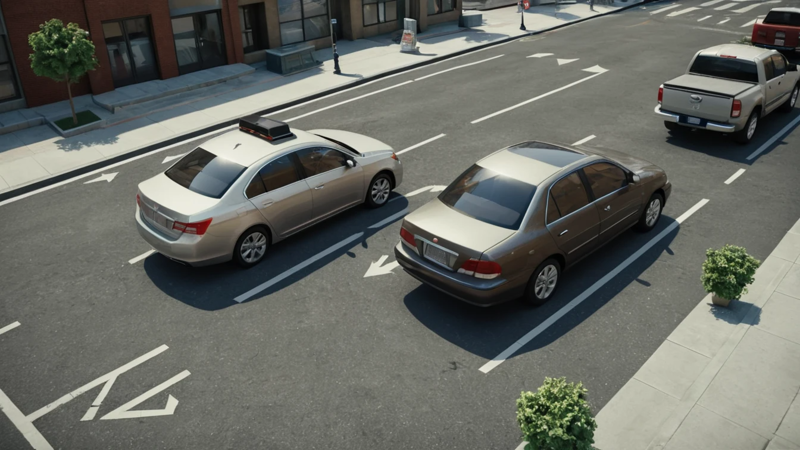
How to merge onto a highway safely with simple steps, speed tips, and lane strategies to help drivers enter traffic smoothly and confidently.
Merging onto a highway means entering fast-moving traffic safely by matching speed, checking blind spots, signaling early, and joining the flow smoothly. Drivers should use the acceleration lane to build speed and merge confidently without forcing other vehicles to brake suddenly.
How To Merge Onto A Highway
Ever felt your heart race when you approach a highway entrance ramp? 🚗
You’re not alone. Many drivers feel nervous about merging into fast-moving traffic. Highways move quickly, and timing matters. But once you learn the right steps, merging becomes simple and predictable.
To merge onto a highway, use the entrance ramp to accelerate, match the speed of traffic, signal your intention, check mirrors and blind spots, and move smoothly into an open gap. The goal is to blend into traffic without forcing other drivers to slow down or swerve.
Let’s break down the process step by step so you can merge with confidence every time.
Understanding What Highway Merging Means 🚦
Highway merging happens when a vehicle joins traffic already moving at highway speeds. The driver entering must adjust speed and position to fit safely into the flow.
Think of merging like joining a moving river of cars. You don’t stop the river. Instead, you enter smoothly so the flow stays steady.
Drivers often struggle because highways move faster than city roads. Typical highway speeds range between 55 and 75 mph, depending on the area. That means you must accelerate quickly and make decisions faster.
When done correctly, merging is smooth and barely noticeable to other drivers. When done poorly, it can cause sudden braking or dangerous lane changes.
A confident driver understands that merging is about timing, speed, and awareness.
Why Proper Merging Is Important For Safety ⚠️
Highway crashes often happen during merging. Why? Because drivers hesitate or misjudge speed differences.
Proper merging helps maintain smooth traffic flow. When drivers enter highways correctly, vehicles behind them don’t need to brake suddenly.
Here’s why safe merging matters:
- Prevents rear-end collisions
- Keeps highway traffic flowing
- Reduces driver stress
- Improves overall road safety
Poor merging habits can cause chain reactions. One sudden brake can create a traffic wave that slows hundreds of cars.
Good drivers aim to blend into traffic like a zipper closing.
The Role Of The Highway Entrance Ramp 🛣️
The entrance ramp is your preparation zone. It gives drivers time to accelerate and adjust before joining traffic.
Many beginners make the mistake of driving too slowly on the ramp. That makes merging harder because highway traffic is already moving fast.
Use the ramp to:
- Build speed
- Observe traffic
- Find a gap
- Prepare to merge
Here’s how ramps typically function:
| Ramp Feature | Purpose | Driver Action |
| Acceleration lane | Allows vehicles to gain speed | Gradually increase speed |
| Merge area | Where vehicles enter traffic | Find safe gap |
| Yield sign (sometimes) | Indicates traffic priority | Yield if needed |
Always treat the ramp as your preparation space, not a place to hesitate.
Matching The Speed Of Highway Traffic 🚗
Speed matching is the most important part of merging.
If highway traffic moves at 65 mph and you enter at 40 mph, other drivers must brake or change lanes suddenly.
Instead, use the ramp to accelerate until your speed is close to traffic flow.
A good rule:
- Aim to be within 5–10 mph of traffic speed.
This makes merging smoother and safer.
When you match speed, your car becomes part of the traffic flow. Other drivers can predict your movement easily.
Slow merging is often more dangerous than fast merging.
Checking Mirrors And Blind Spots 🔍
Before moving into the highway lane, check your surroundings carefully.
Drivers must use three quick checks:
- Rearview mirror
- Side mirror
- Blind spot glance
Blind spots are areas mirrors cannot show. Vehicles there can surprise drivers who rely only on mirrors.
A quick shoulder glance takes less than a second but prevents serious accidents.
Remember this simple sequence:
Mirror → Signal → Shoulder Check → Merge
This routine keeps your merge safe and predictable.
Using Turn Signals Correctly 💡
Your turn signal tells other drivers what you plan to do.
Signal before you merge, not during or after.
Early signaling gives drivers time to adjust their speed or change lanes.
Use signals for at least 3 seconds before merging.
Benefits of signaling early include:
- Helps drivers create space
- Reduces confusion
- Prevents sudden braking
Think of signals as communication on the road.
Finding The Right Gap In Traffic 🚙
A safe merge requires space between vehicles.
Look for a gap where your car can fit comfortably without forcing others to slow down.
A safe highway gap usually equals 3–4 seconds of distance.
This means:
- Enough space ahead
- Enough space behind
Use your mirrors to judge distance carefully.
Here’s a helpful guideline:
| Gap Type | Safe? | Reason |
| Large gap | Yes | Allows smooth merge |
| Medium gap | Usually | If speeds match |
| Small gap | No | Forces braking |
Never squeeze into tight spaces. Patience leads to safer merges.
The Zipper Merge Concept Explained 🧩
Many drivers don’t understand the zipper merge.
This concept means vehicles from two lanes take turns merging like zipper teeth closing.
When drivers follow this rule:
- Traffic flows faster
- Merging becomes predictable
- Road rage decreases
Imagine the teeth of a zipper interlocking. One car enters, then another.
It’s simple but powerful.
Drivers who cooperate create smoother traffic patterns.
Step-By-Step Guide To Merging Onto A Highway 📋
Let’s combine everything into a clear step-by-step process.
Follow these steps whenever entering a highway.
- Enter the acceleration lane.
- Increase speed gradually.
- Check mirrors and traffic flow.
- Turn on your signal.
- Look over your shoulder.
- Identify a safe gap.
- Merge smoothly into the lane.
- Adjust speed to match traffic.
Here’s a quick summary:
| Step | Action | Purpose |
| Accelerate | Increase speed | Match traffic |
| Signal | Alert drivers | Communicate intent |
| Check blind spot | Ensure safety | Avoid collisions |
| Merge smoothly | Enter lane | Maintain traffic flow |
Practice these steps until they feel natural.
Common Merging Mistakes Drivers Make ❌
Even experienced drivers make merging mistakes.
The most common ones include hesitation and poor speed control.
Avoid these errors:
- Stopping on the entrance ramp
- Driving too slowly
- Failing to check blind spots
- Merging without signaling
- Cutting off other vehicles
Stopping on a ramp is especially dangerous because vehicles behind you expect movement.
Confidence and preparation reduce these mistakes dramatically.
How To Merge During Heavy Traffic 🚙🚗🚙
Busy highways can feel intimidating.
But merging during heavy traffic follows the same basic rules.
The difference is that speeds may be slower.
Tips for merging in traffic:
- Look for smaller gaps
- Signal early
- Maintain steady speed
- Be patient
Often, drivers will slow slightly to allow merging vehicles.
Traffic congestion sometimes makes merging easier, not harder.
Tips For Nervous Or New Drivers 😌
New drivers often feel anxious when merging.
That’s normal. Confidence comes with practice.
Here are helpful strategies:
- Practice during low traffic hours
- Start with short highway drives
- Stay calm and focused
- Avoid sudden movements
Helpful habits include:
- Keep both hands on the wheel
- Maintain steady acceleration
- Watch traffic patterns
Confidence grows each time you merge successfully.
Defensive Driving When Entering Highways 🛡️
Defensive driving means anticipating problems before they happen.
Good drivers stay alert to surrounding vehicles.
Watch for:
- Cars changing lanes
- Trucks with large blind spots
- Speed differences
Defensive habits include:
- Maintaining safe distance
- Adjusting speed early
- Avoiding aggressive moves
A calm driver makes better decisions on busy highways.
How Weather Affects Highway Merging 🌧️
Weather changes how drivers should merge.
Rain, fog, and snow reduce visibility and traction.
Drivers must adjust speed and allow more space.
Important weather adjustments:
- Increase following distance
- Merge more slowly
- Use headlights
- Avoid sudden braking
Slippery roads require extra caution.
Safety always matters more than speed.
Special Considerations For Large Trucks 🚚
Highways often include large trucks and commercial vehicles.
Trucks require more time to slow down and change lanes.
Drivers should avoid merging directly in front of trucks.
Helpful truck safety tips:
- Never linger beside trucks
- Merge with extra distance
- Avoid cutting them off
- Stay visible in mirrors
Truck blind spots are much larger than passenger cars.
Respecting their space keeps everyone safer.
Practicing Highway Merging For Confidence 🎯
Practice is the fastest way to improve.
Start with quieter highways or suburban interstates.
Try merging multiple times during one practice drive.
Good practice ideas include:
- Driving during early morning hours
- Observing experienced drivers
- Practicing speed matching
Over time, merging becomes automatic.
Your brain learns to judge speed and distance quickly.
Conclusion
Learning how to merge onto a highway is one of the most important driving skills. It may feel intimidating at first, but the process becomes simple with practice.
The key steps include accelerating on the ramp, matching traffic speed, signaling early, checking blind spots, and merging smoothly into a safe gap.
Remember this simple formula: speed + awareness + timing = safe merging. When drivers follow these principles, highway traffic flows smoothly and safely for everyone. 🚗
FAQs
How Do Beginners Merge Onto A Highway Safely?
Beginners should use the acceleration lane to reach highway speed before merging. Always signal early and check mirrors and blind spots. Practice during low-traffic hours to build confidence.
What Speed Should I Be When Merging?
Drivers should match the speed of highway traffic as closely as possible. Usually this means reaching 55–70 mph depending on the road. Entering too slowly can disrupt traffic flow.
Is It Illegal To Stop On A Highway Ramp?
Stopping on a ramp is dangerous and usually discouraged unless traffic requires it. Drivers should keep moving and build speed for merging. Sudden stops can cause rear-end crashes.
How Do You Merge When Traffic Is Heavy?
Signal early and watch for small gaps between vehicles. Maintain steady speed and merge smoothly without forcing others to brake. Patience is key during congestion.
Why Is Merging Onto Highways Difficult For New Drivers?
Highway speeds are much faster than city roads. New drivers must judge speed, distance, and timing quickly. With practice and experience, merging becomes much easier.