

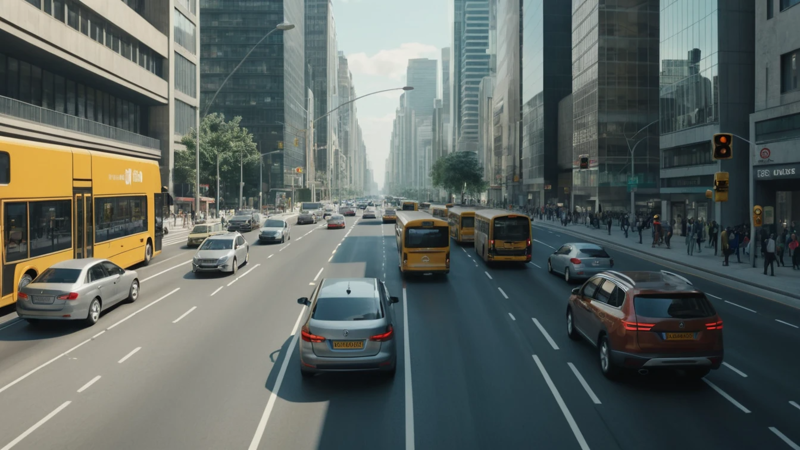
Tips for driving in city traffic to stay calm, safe, and confident. Learn smart habits that save time, reduce stress, and avoid accidents.
Tips for driving in city traffic means staying alert, patient, and strategic in busy urban roads. It involves defensive driving, smart lane use, calm reactions, and planning ahead. With the right habits, city driving becomes safer, smoother, and far less stressful—even during rush hour 🚦.
Ever feel like city traffic tests your patience every single day?
Crowded roads, sudden stops, and impatient drivers can overwhelm anyone. The good news is this—city driving doesn’t have to drain your energy. With the right mindset and techniques, you can stay safe, confident, and in control.
Driving in city traffic is all about awareness, timing, and smart decision-making. You must expect the unexpected. Once you master these basics, urban driving starts to feel predictable instead of chaotic.
Tips For Driving In City Traffic 🚗
Understand City Traffic Patterns 🧠
City traffic follows patterns, even when it looks random. Rush hours usually peak in the morning and evening. Weekends bring different congestion near malls and event areas. Knowing this helps you plan smarter routes.
Watch how traffic behaves in your city. Some lanes move faster at certain times. Others always slow down near signals or intersections. Awareness gives you control, even before you start the engine.
Plan Your Route Before You Drive 🗺️
A few minutes of planning can save a lot of frustration. Check traffic conditions before leaving home. Look for alternate routes, not just the shortest one. Sometimes a slightly longer road moves faster.
Planning also reduces sudden lane changes. That lowers accident risk. When you know where you’re going, your driving feels calmer and more confident 😊.
Maintain A Safe Following Distance 🚦
City traffic stops suddenly. Cars, bikes, and pedestrians appear out of nowhere. Keeping enough space gives you time to react. It also prevents minor rear-end accidents.
A good rule is to stay at least one car-length behind in slow traffic. Increase that space when moving faster. Space equals safety, especially in crowded streets.
Use Defensive Driving At All Times 🛡️
Never assume other drivers will follow rules. Expect sudden turns, signal-less lane changes, and abrupt braking. Defensive driving means staying prepared for others’ mistakes.
Stay alert at intersections. Look twice before moving. When you drive defensively, you protect yourself—not just your car.
Stay Calm During Heavy Congestion 😌
Traffic jams raise stress levels quickly. Honking and rushing won’t help. Take slow breaths. Play calm music. Accept that delays happen.
Stress leads to poor decisions. Calm drivers react better. Your mindset matters as much as your skills.
Master Lane Discipline In Busy Roads ➡️⬅️
Constant lane switching wastes time and raises risk. Pick a lane and stay there unless needed. Sudden changes confuse other drivers and cause near-misses.
Use indicators early. Make eye contact when possible. Clear signals create smoother traffic flow for everyone.
Avoid Distractions Behind The Wheel 📵
City driving demands full attention. Checking your phone for even two seconds can be dangerous. Traffic conditions change fast.
Keep your phone on silent. Set navigation before driving. Your focus is your strongest safety tool.
Watch Out For Pedestrians And Cyclists 🚶♂️🚴
Urban roads are shared spaces. Pedestrians may cross unexpectedly. Cyclists often ride between lanes. Always scan sidewalks and mirrors.
Slow down near crossings and schools. Giving extra caution saves lives—and prevents legal trouble.
Know When To Yield And When To Wait ⏳
Not every gap is worth taking. Rushing into small spaces causes accidents. Sometimes waiting a few seconds is the smarter move.
City driving rewards patience. Yielding at the right time keeps traffic moving smoothly and avoids conflicts.
Use Signals Clearly And Early 🔔
Turn signals are your communication tools. Use them early to inform others. Late signals confuse drivers and block traffic flow.
Clear signaling builds trust on the road. It reduces sudden braking and aggressive reactions.
Common City Driving Signals And Meanings
| Signal Action | What It Communicates | Why It Matters |
| Early Turn Signal | Planned lane change | Prevents sudden braking |
| Hazard Lights | Temporary stop or danger | Alerts nearby drivers |
| Headlight Flash | Giving way or warning | Improves coordination |
Handle Intersections With Extra Care 🚦
Intersections are accident hotspots. Vehicles come from all directions. Always slow down, even on green lights.
Look left, right, then left again. Watch for red-light jumpers. Caution here saves lives.
Adjust Speed For Urban Conditions 🐢
Speed limits exist for a reason. In cities, slower speeds give more reaction time. Fast driving rarely saves time due to frequent stops.
Match your speed with traffic flow. Smooth driving feels safer and reduces fuel use.
Be Smart During Rush Hour ⏰
Rush hour traffic needs extra patience. Expect delays and aggressive drivers. Leave earlier if possible.
During peak times:
- Avoid unnecessary lane changes
- Keep extra following distance
- Stay calm and predictable
Predictability keeps you safe during chaos.
Speed Control Tips For City Roads
| Situation | Ideal Approach | Safety Benefit |
| Stop-And-Go Traffic | Smooth acceleration | Reduces rear-end risk |
| Narrow Streets | Lower speed | Better pedestrian safety |
| Rainy Conditions | Extra slow driving | Improved braking control |
Park Carefully And Considerately 🅿️
Parking in cities can be tricky. Always check signs before parking. Watch for restricted zones and time limits.
Park within lines. Avoid blocking driveways or walkways. Respectful parking prevents fines and conflicts.
Drive Smoothly To Save Fuel ⛽
Aggressive driving burns more fuel. Sudden braking and speeding waste energy. Smooth acceleration saves money.
City traffic rewards steady driving. Your wallet and engine will thank you 💰.
Habits That Improve City Driving Experience
| Habit | Result | Long-Term Benefit |
| Staying Calm | Better decisions | Lower stress |
| Planning Routes | Fewer delays | Time savings |
| Defensive Driving | Fewer accidents | Higher safety |
Stay Patient With New Or Slow Drivers 🤝
Not everyone drives at the same confidence level. New drivers may hesitate. Older drivers may move slower.
Give them space. Avoid honking unnecessarily. Kindness on the road creates safer streets.
Keep Your Vehicle City-Ready 🔧
City driving stresses your car. Frequent braking wears pads faster. Tires face rough roads.
Regular checks matter:
- Brakes
- Tires
- Lights
- Mirrors
A well-maintained car handles traffic better and keeps you safe.
Learn From Every City Drive 📘
Each drive teaches something new. Notice patterns. Learn problem areas. Adjust your habits.
Over time, city driving becomes second nature. Experience builds confidence faster than anything else.
Conclusion ✅
Driving in city traffic doesn’t have to feel overwhelming. With patience, planning, and defensive habits, you stay safe and calm. Focus on awareness, smooth driving, and respect for others. These simple tips turn daily traffic into a manageable routine.
FAQs ❓
How can I reduce stress while driving in traffic?
Start with planning your route early. Stay calm and accept delays. Relaxed driving improves focus and safety.
What is the safest speed for city driving?
Match traffic flow and follow posted limits. Slower speeds allow quicker reactions. Safety matters more than speed.
How do I avoid accidents in heavy traffic?
Maintain distance and stay alert. Avoid distractions completely. Defensive driving reduces risk significantly.
Why is lane discipline important in cities?
It prevents confusion and sudden braking. Predictable movement improves traffic flow. It also lowers accident chances.
What should I do if traffic suddenly stops?
Brake smoothly and stay calm. Keep distance from the car ahead. Watch mirrors to avoid rear collisions.

Leave a Reply