

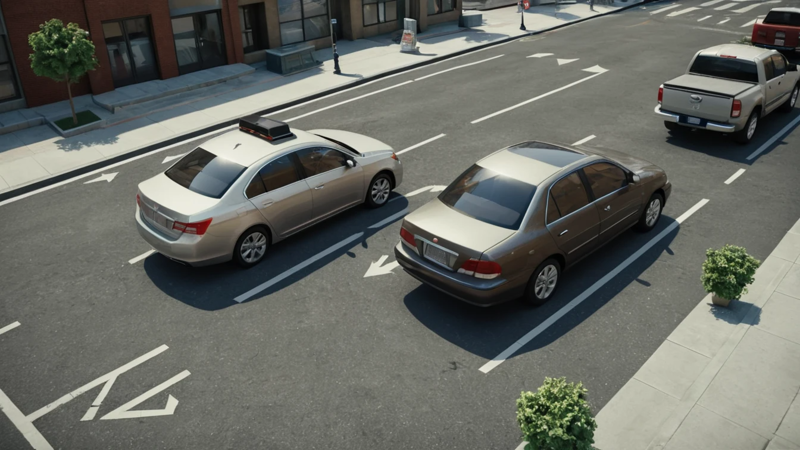
How to parallel park easily with simple steps, clear visuals, and real-world tips that build confidence fast.
How to parallel park easily means using clear reference points, slow movements, and calm steering to fit your car safely between two vehicles without stress or guesswork.
Have you ever spotted the perfect parking space—then driven right past it out of fear? 😅
You’re not alone. Parallel parking feels scary, but it doesn’t have to be. With the right method, it becomes predictable, repeatable, and honestly… kind of satisfying.
Parallel parking is a skill, not a talent. Anyone can learn it. This guide breaks it down in plain English so you can park smoothly every time.
How To Parallel Park Easily 🚗
Understand Why Parallel Parking Feels Hard 😬
Parallel parking looks harder than it is. Most drivers struggle because they rush or don’t know where to look. The car feels big. The space feels small.
Your brain is also juggling mirrors, steering, pedals, and traffic. That’s a lot at once. When you simplify the process, stress drops fast.
The key is consistency. Same steps. Same reference points. Same results. Confidence comes from repetition, not luck.
Know When Parallel Parking Is Required 📍
Parallel parking is common in busy cities and neighborhoods. Street parking often demands it. Tests also require it in many states.
You’ll usually need to parallel park when:
- Parking between two cars on a street
- Space is tight and curb-side only
- Signs restrict angle or head-in parking
Knowing when it’s needed helps you prepare mentally. No surprises. No panic.
Choose The Right Parking Space 🅿️
Not all spaces are equal. Beginners should aim for extra room. That’s how skills grow safely.
A good starter space:
- At least 5–6 feet longer than your car
- Clear curb and visible lines
- No big trucks nearby
| Space Size | Difficulty Level | Best For |
| Very tight | Hard | Experts |
| Slightly long | Medium | Daily drivers |
| Extra long | Easy | Beginners |
Start easy. Shrink the space later. Progress beats pressure.
Adjust Your Seat And Mirrors First 🪞
Good setup makes parking easier instantly. Don’t skip this step. It matters more than you think.
Do this before stopping:
- Sit high enough to see hood edges
- Adjust side mirrors slightly downward
- Center rearview mirror clearly
When you can see better, you steer better. Visibility reduces guessing—and guessing causes mistakes.
Position Your Car Correctly 🧭
This step sets everything up. If you rush it, the rest falls apart.
Pull up next to the front car:
- Leave 2–3 feet of space
- Align your rear bumper with theirs
- Keep wheels straight
Pause here. Breathe. This is your launch point. A calm start creates a smooth finish 😌.
Start Reversing Slowly 🐢
Speed is the enemy of accuracy. Always reverse slowly. Slower than walking speed.
Shift into reverse. Check mirrors. Look over your shoulder. Then begin rolling back gently.
As you move, stay relaxed. White-knuckle steering leads to over-correction. Smooth hands win every time.
Turn The Wheel At The Right Moment 🔄
This is the magic step. Timing matters more than force.
When your rear bumper clears the front car:
- Turn the wheel fully toward the curb
- Keep rolling slowly
- Watch the curb in your mirror
You’re guiding the back of your car into the space first. That’s how parallel parking works.
Use Reference Points To Guide You 👀
Your car gives clues. Learn to read them.
Helpful reference points:
- Curb appearing halfway up side mirror
- Front car’s bumper disappearing
- Your car at a 45-degree angle
| Visual Cue | What It Means | Action |
| Curb visible | Rear aligned | Straighten wheel |
| 45° angle | Mid-park | Turn opposite |
| Centered mirrors | Nearly done | Adjust slightly |
Trust your eyes. They’re more accurate than fear.
Straighten The Wheels At The Right Time ➡️
Once your rear tire is close to the curb, straighten the wheel. Keep reversing.
This moves your car backward without pulling tighter. It creates space for the front end.
If you skip this, you’ll either hit the curb or stick out. Timing matters here—stay patient.
Turn Away To Bring The Front In 🔁
Now it’s time to bring the nose in.
Turn the wheel away from the curb while still reversing. This swings your front bumper safely into the space.
Go slow. Small turns work best. You’re almost done—don’t rush now 🙌.
Center The Car And Final Adjustments 🎯
Stop when centered between both cars. Shift to drive. Make tiny adjustments.
Check:
- Equal space front and back
- Tires parallel to curb
- No wheels touching curb
Perfection isn’t required. Safe and legal wins every time.
Common Parallel Parking Mistakes 🚫
Mistakes happen. Learn them. Avoid them.
Common issues:
- Turning too early
- Reversing too fast
- Forgetting mirrors
- Over-steering
| Mistake | Result | Fix |
| Too fast | Panic | Slow down |
| Early turn | Crooked park | Delay steering |
| No mirror check | Close calls | Pause often |
Awareness fixes most problems instantly.
Parallel Parking In Traffic Safely 🚦
Traffic adds pressure. Stay calm. You’re allowed to take your time.
Tips:
- Signal early
- Ignore honks
- Focus on steps
Other drivers can wait. Safety beats speed. Always.
Practice Parallel Parking Without Stress 🧠
Practice builds muscle memory. Choose quiet streets or empty lots.
Try using:
- Cones or boxes
- Chalk marks
- Same spot repeatedly
Ten calm practices beat one stressful attempt. Confidence grows quietly.
Parallel Parking With Backup Cameras 📸
Technology helps—but don’t rely on it fully.
Backup cameras:
- Help with distance
- Show curb position
- Reduce blind spots
Still use mirrors. Still turn your head. Tech assists skill—it doesn’t replace it.
Parallel Parking In Different Car Sizes 🚙
Every car parks differently. Learn your vehicle’s personality.
Small cars:
- Turn quicker
- Fit tighter spaces
Large cars:
- Need wider angles
- Require patience
Switch cars? Re-learn reference points. It’s normal.
Stay Calm And Build Confidence 💪
Confidence changes everything. Parking is mental as much as physical.
Remember:
- You’re allowed to reset
- You can pull out and try again
- No one parks perfectly every time
Calm drivers make clean parks. 😌
Trust the process. It works.
Key Takeaways To Remember 📝
Parallel parking becomes easy when you slow down, use reference points, and follow the same steps every time. Choose forgiving spaces while learning. Adjust mirrors early. Practice calmly. Confidence comes from repetition—not rushing.
FAQs ❓
How do I parallel park easily as a beginner?
Start with larger spaces and quiet streets. Use slow movements and clear reference points. Practice the same steps repeatedly.
What is the easiest method for parallel parking?
Align bumper to bumper, reverse slowly, turn toward the curb, straighten, then turn away. Consistency matters most.
How much space do I need to parallel park easily?
Beginners should use a space at least five feet longer than their car. Smaller spaces come later with practice.
Why do I keep hitting the curb while parking?
You’re likely turning too early or moving too fast. Slow down and wait longer before steering.
Can I parallel park easily with a large car?
Yes. Larger cars need wider angles and patience. Go slower and rely on mirrors more often.

Leave a Reply