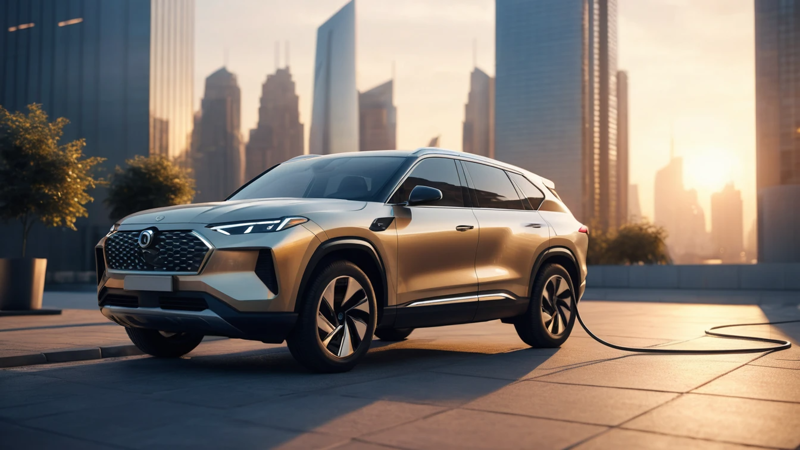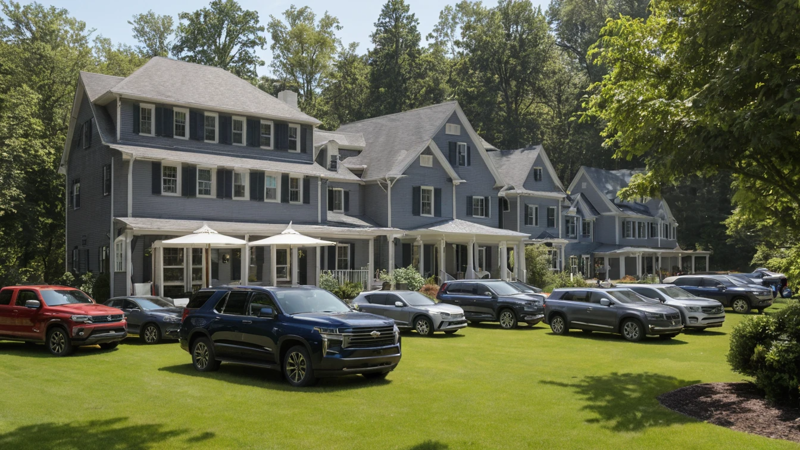
Trade-in vs private party sale explained simply. Learn which option saves time, earns more money, and fits your car-selling goals.
Selling your car through a trade-in is faster and easier, while a private party sale usually brings more money. The best option depends on your timeline, comfort level, and financial goals. Understanding the pros and cons of each method helps you make the smartest decision for your situation.
Trade-In Vs Private Party Sale 🚗💰
Have you ever wondered why some people walk away happy after selling a car while others feel like they lost money? The answer often comes down to one important choice: trade-in vs private party sale.
If you want the fastest and simplest option, a trade-in may work best. If you want the highest possible price, selling privately is often the better path. Both choices come with advantages and drawbacks, and the right decision depends on your priorities.
Why Your Selling Method Matters 🚘
Selling a vehicle is more than handing over keys. The method you choose affects your money, stress level, taxes, and time. Many car owners rush the process and regret it later.
A trade-in happens when you give your current car to a dealership while buying another vehicle. The dealer applies the car’s value toward your next purchase. A private party sale means selling directly to another person without a dealership involved.
Both methods can work well. However, understanding the differences can help you avoid costly mistakes and save valuable time.
What Is A Car Trade-In? 🔑
A car trade-in is one of the quickest ways to get rid of an old vehicle. You simply bring your car to a dealership, receive an appraisal, and apply the amount toward another car purchase.
Dealerships usually inspect the car’s condition, mileage, service history, and market demand. They then offer a price based on what they believe they can resell it for later. The process is fast and convenient, especially for busy drivers.
The biggest downside is lower profit. Dealers need room to make money after reconditioning and reselling the vehicle. That means the offer is usually below market value.
What Is A Private Party Sale? 👥
A private party sale involves finding a buyer yourself. You create listings, answer questions, schedule meetings, and negotiate the final price.
This option often delivers a higher selling price because there is no middleman involved. Buyers may willingly pay more than a dealership because they are purchasing directly from the owner.
Still, private sales take effort. You must handle paperwork, advertising, test drives, and payment security. Some sellers enjoy the process, while others find it stressful and time-consuming.
| Feature | Trade-In | Private Party Sale |
| Speed | Very Fast | Slower |
| Convenience | High | Moderate |
| Profit Potential | Lower | Higher |
| Negotiation | Minimal | Extensive |
| Risk Level | Lower | Higher |
Which Option Gives You More Money? 💵
In most situations, a private party sale earns more cash. Buyers are often willing to pay closer to retail value compared to dealership wholesale pricing.
For example, a dealer may offer $12,000 for a used SUV. A private buyer might pay $15,000 for the same vehicle. That difference can significantly impact your next car budget.
However, higher earnings also require more work. You may spend weeks communicating with buyers and arranging meetings. Some people decide the extra money is worth the hassle, while others prefer convenience.
Why Trade-Ins Save Time ⏰
Time matters more than many people realize. A trade-in can often be completed in one afternoon. You drive in with one car and leave with another.
This streamlined process appeals to drivers with busy schedules. Parents, professionals, and commuters often prefer avoiding online listings and buyer negotiations.
A trade-in also removes uncertainty. You know exactly when the sale will happen, and you avoid the stress of strangers contacting you at odd hours 📱.
The Convenience Factor Of Trade-Ins 😊
Convenience is the biggest reason many people choose dealerships. The dealer handles paperwork, title transfer, financing details, and registration requirements.
There is also less emotional stress involved. You avoid awkward negotiations and safety concerns related to meeting strangers.
Another hidden advantage involves old or damaged vehicles. Some dealers accept cars that private buyers may avoid completely. This can simplify the process for owners of aging vehicles.
Why Private Buyers Pay More 💲
Private buyers usually search for value. They compare dealership prices and hope to save money while still getting a reliable vehicle.
Because dealerships add markup, private buyers often know they can pay more directly to an owner and still spend less overall. This creates room for sellers to maximize profits.
A clean car history, maintenance records, and strong presentation can increase your final sale price dramatically. Small improvements often create a stronger first impression.
Understanding Tax Savings With Trade-Ins 📋
Many states offer sales tax savings when you trade in a vehicle. This benefit can reduce the real gap between trade-in value and private sale profit.
For example, imagine your trade-in is worth $10,000 and your new car costs $30,000. In some states, you only pay taxes on the remaining $20,000 balance.
That tax reduction can save hundreds or even thousands of dollars. Always check local tax laws before making a final decision.
| Scenario | Trade-In | Private Sale |
| Car Value | $20,000 | $20,000 |
| Dealer Offer | $17,000 | N/A |
| Private Buyer Price | N/A | $20,000 |
| Tax Savings | $1,200 | $0 |
| Final Difference | Smaller Gap | Higher Cash |
Safety Concerns In Private Party Sales ⚠️
Safety matters when meeting strangers for vehicle transactions. Unfortunately, scams and fraud can happen during private sales.
Smart sellers meet buyers in public places like police station parking lots or bank locations. Many people also avoid accepting personal checks because they can bounce later.
Test drives also require caution. Always verify the driver’s license and ride along during the drive. These small steps can protect both your car and personal safety.
How Dealers Determine Trade-In Value 🏷️
Dealers use several factors to calculate trade-in offers. These include mileage, vehicle condition, accident history, market trends, and local demand.
Popular vehicles in strong condition often receive better offers. Cars with mechanical issues or cosmetic damage typically lose value quickly.
Online valuation tools can help estimate your car’s worth before visiting a dealership. This preparation gives you more confidence during negotiations.
Common Factors That Affect Trade-In Prices
- Vehicle age
- Mileage
- Accident history
- Tire condition
- Service records
- Interior cleanliness
- Market demand
- Brand reputation
How To Increase Your Car’s Value ✨
Whether trading in or selling privately, preparation matters. A clean and well-maintained vehicle creates a better impression immediately.
Simple upgrades can increase value without costing much money. Wash the exterior, vacuum the interior, and fix minor cosmetic issues before listing or appraisal.
Keep maintenance records organized. Buyers and dealerships trust vehicles with documented care histories. Transparency builds confidence and helps justify your asking price.
Best Situations For Choosing A Trade-In 🚘
Trade-ins work best for people who value speed and convenience over maximum profit. They are especially useful during busy life transitions.
For example, someone relocating for work may not have time to wait for private buyers. Families upgrading vehicles quickly may also prefer a dealership transaction.
Trade-ins are also ideal for drivers with financed vehicles. Dealers can often simplify loan payoff paperwork and reduce administrative headaches.
| Best For Trade-In | Best For Private Sale |
| Busy schedules | Maximum profit |
| Quick upgrades | Rare vehicles |
| Loan payoff help | High-demand cars |
| Low stress | Patient sellers |
| Older vehicles | Strong negotiators |
Best Situations For Private Party Sales 🛻
Private sales work best for patient sellers who want top dollar. They are ideal for newer vehicles in excellent condition.
Cars with strong reliability ratings and clean histories often attract motivated buyers quickly. Enthusiast vehicles also tend to perform well in private markets.
People comfortable with communication and negotiation usually succeed with private selling. Confidence helps during pricing discussions and buyer meetings.
Negotiation Tips For Both Selling Methods 🤝
Negotiation plays a huge role in vehicle sales. Preparation gives you a stronger advantage regardless of the selling method you choose.
Research your car’s current market value before discussing price. Use multiple pricing sources to understand realistic expectations.
Here are several smart negotiation tips:
- Set a realistic asking price.
- Avoid appearing desperate.
- Stay polite but firm.
- Highlight maintenance history.
- Be willing to walk away.
- Compare multiple offers.
Confidence and patience often lead to better results 💡.
Common Mistakes Car Sellers Make ❌
Many sellers lose money because they rush the process. Others fail to research their vehicle’s actual value before accepting offers.
Some private sellers ignore safety precautions. Meeting buyers alone or accepting suspicious payments creates unnecessary risk.
Trade-in customers also make mistakes by focusing only on monthly payments instead of total transaction value. Dealers sometimes adjust numbers to appear more attractive than they really are.
How Financing Impacts Your Decision 💳
If you still owe money on your vehicle, your selling method becomes more complicated. Trade-ins simplify this process because dealerships often handle the payoff directly.
Private sales involving loans require coordination between buyer, lender, and seller. This process can delay the transaction and create confusion.
Negative equity also matters. If you owe more than the car’s value, dealers may roll the balance into your next loan. While convenient, this increases future debt obligations.
Should You Sell Online Or Locally? 🌐
Online platforms have changed the way people sell cars. Sellers now reach larger audiences through marketplaces and automotive websites.
Local sales remain popular because they simplify meetings and reduce transportation issues. Buyers often feel more comfortable purchasing nearby vehicles.
Online listings work best when combined with clear photos and honest descriptions. Transparency reduces wasted time and attracts serious buyers faster.
Important Details To Include In Listings
- Mileage
- Service history
- Accident reports
- Tire condition
- Recent repairs
- Vehicle upgrades
- VIN number
- Clean title status
Emotional Stress Vs Financial Gain 😅
Many people underestimate the emotional side of selling a vehicle. Repeated messages, lowball offers, and canceled appointments can become exhausting.
Trade-ins eliminate much of this frustration. The simplicity feels refreshing, especially for first-time sellers.
However, some people enjoy negotiating and maximizing profits. They see private selling as a challenge worth pursuing. Your personality and patience level matter more than most guides admit.
“Convenience saves time, but patience often earns more money.”
The Smartest Choice Depends On Your Priorities 🎯
There is no universal winner in the trade-in vs private party sale debate. The best choice depends entirely on your goals.
Choose a trade-in if you value simplicity, speed, and lower stress. Choose a private party sale if maximizing profit matters most.
Some sellers even try both methods first. They gather dealership offers, test private market interest, and then compare the results before deciding.
Conclusion 🚗
The decision between a trade-in vs private party sale comes down to balancing convenience and profit. Trade-ins offer speed, simplicity, and reduced stress. Private sales usually provide higher payouts but require more effort and patience.
Before deciding, consider your timeline, financial needs, comfort with negotiation, and vehicle condition. Research your car’s value carefully and prepare it properly for sale. A smart strategy can help you save time, avoid frustration, and maximize your return.
In the end, the best option is the one that fits your lifestyle and priorities most effectively.
FAQs ❓
Is Trade-In Better Than Selling Privately?
A trade-in is better for convenience and speed. Selling privately usually earns more money. The right choice depends on your goals and available time.
How Much More Money From Private Sale?
Private party sales often earn 10% to 20% more money. The exact amount depends on the vehicle’s condition and demand. Popular cars usually bring stronger offers.
Can I Trade In A Financed Car?
Yes, dealerships regularly accept financed vehicles. They usually handle the loan payoff process for you. However, negative equity can increase your next loan amount.
Is Selling A Car Privately Safe?
Private sales can be safe with proper precautions. Meet buyers in public places and verify payment carefully. Avoid sharing unnecessary personal information.
Should I Clean My Car Before Selling?
Yes, cleaning your vehicle improves first impressions significantly. A clean car often appears more valuable and better maintained. Small details can increase buyer confidence quickly.